

Why Do Jeep Drivers Have Rubber Ducks?
The Quirky Tradition Explained
If you’ve spotted a Jeep on the road adorned with rubber ducks, you might be wondering what’s behind this peculiar trend. The simple answer is that rubber ducks have become a symbol of camaraderie and community among Jeep owners. This playful practice, often referred to as “ducking,” involves leaving a rubber duck on another Jeep as a friendly gesture. It’s a way for Jeep enthusiasts to connect and share their love for the brand, creating a sense of belonging within the Jeep community.
Why This Matters to Jeep Owners
For current and prospective Jeep owners, understanding this tradition can enhance your experience with the vehicle. It’s not just about the rugged capabilities of a Jeep; it’s also about the lifestyle and community that comes with it. Engaging in this fun activity can foster connections with other Jeep drivers and add a layer of enjoyment to your ownership experience.
How the Ducking Tradition Works
If you’re considering joining in on the fun, here’s how you can participate in the ducking tradition:
- Purchase a rubber duck: Choose a duck that reflects your personality or style.
- Spot a Jeep: Keep an eye out for other Jeep vehicles, especially those parked in public areas.
- Leave the duck: Place the rubber duck on the windshield or door handle of the other Jeep.
- Spread the word: Share your ducking experiences on social media to connect with other Jeep enthusiasts.
This lighthearted tradition not only adds a fun element to Jeep ownership but also reinforces the community spirit that is central to the Jeep brand. Whether you’re a long-time owner or a future buyer, participating in this quirky practice can enhance your connection to the Jeep lifestyle.
Diving Deeper into the Rubber Duck Tradition Among Jeep Drivers
The Origins of Ducking
The rubber duck phenomenon among Jeep owners isn’t just a random trend; it has roots in the community’s desire for connection. It began as a lighthearted way to acknowledge fellow Jeep enthusiasts, fostering a sense of kinship that transcends the typical vehicle ownership experience. While it may seem trivial, this practice has grown into a recognizable symbol of the Jeep lifestyle, with many drivers eagerly participating in the tradition.
Variations by Model and Year
While the act of ducking is universal among Jeep owners, the enthusiasm can vary by model and year. Here’s a closer look at how different Jeep models engage with this tradition:
- Wrangler: The Wrangler, being the most iconic Jeep model, sees the highest number of rubber ducks. Owners often customize their ducks to reflect their unique personalities, making it a vibrant part of the Wrangler community.
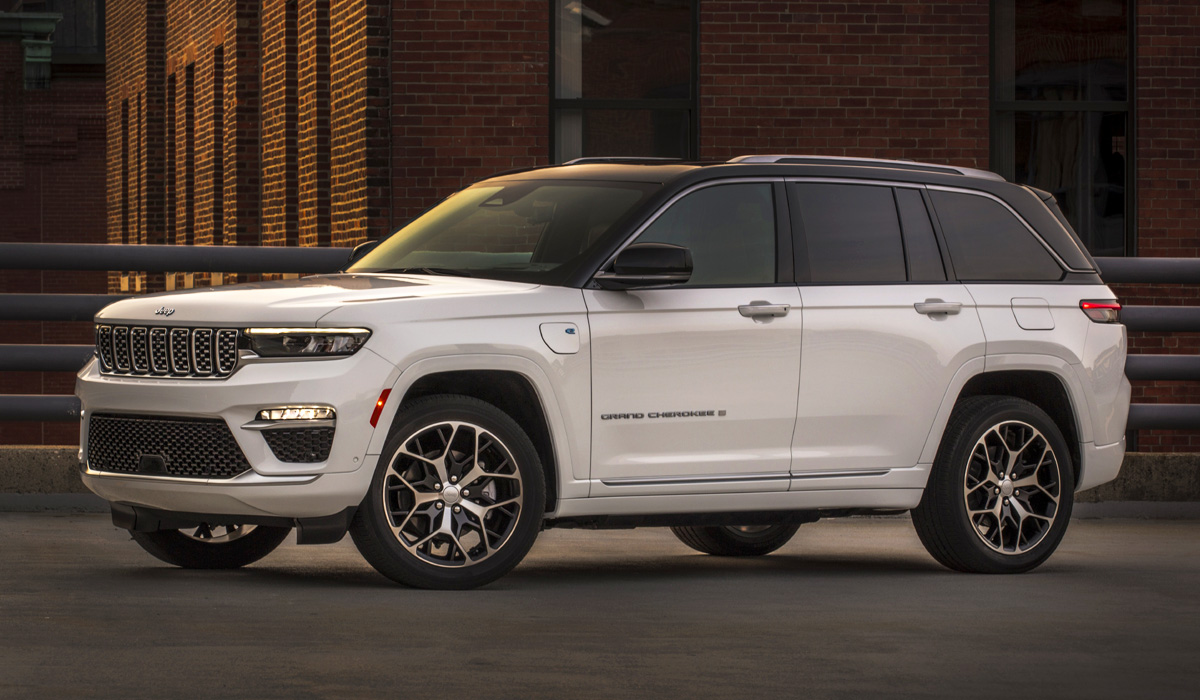
- Grand Cherokee: While not as common as with Wranglers, Grand Cherokee owners have also embraced the ducking culture. However, the more luxurious nature of this model may lead to a more reserved approach to ducking.
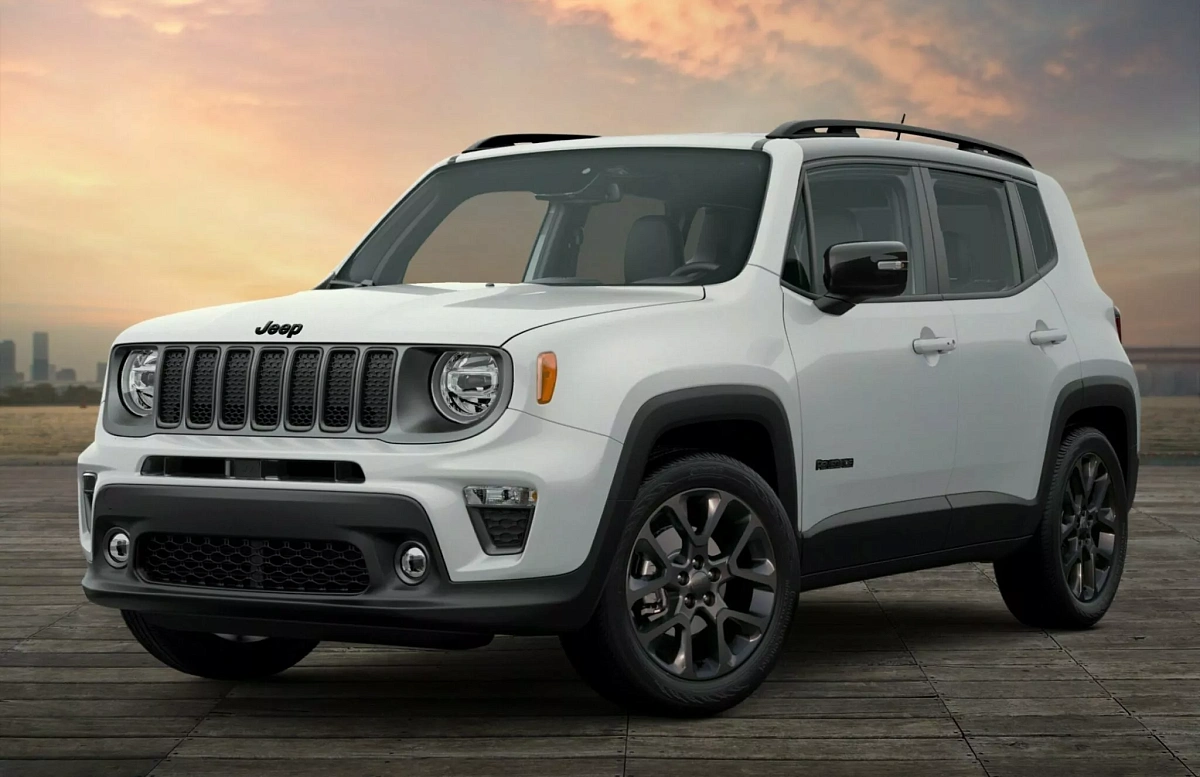
- Renegade: The Renegade, being a newer addition to the Jeep lineup, has seen a slower adoption of the ducking trend. However, younger owners are starting to pick up on the tradition, adding a fresh twist to it.
Engine and Trim Variations
The engine type and trim level of a Jeep can also influence the ducking experience. For instance:
- Sport Trims: Owners of base Sport trims often have a more laid-back attitude towards ducking, using it as a fun way to express their adventurous spirit.
- Rubicon Trims: Rubicon owners, known for their off-roading capabilities, tend to take ducking to the next level, often leaving themed ducks that reflect their outdoor adventures.
User Experience and Community Feedback
The rubber duck tradition has garnered mixed reactions from Jeep owners. While many embrace it wholeheartedly, others may find it gimmicky or unnecessary. Here’s a breakdown of user experiences:
- Positive Experiences: Many Jeep owners report that receiving a rubber duck brings a smile to their face and fosters a sense of community. It’s not uncommon for drivers to share their ducking stories on social media, creating a sense of belonging.
- Negative Experiences: Some owners feel that the tradition can be overdone or that it detracts from the rugged image of the Jeep brand. A few have expressed concerns about leaving ducks on their vehicles, fearing they might be mistaken for trash.
Common Misconceptions
Several misconceptions surround the rubber duck tradition that can lead to confusion among Jeep owners:
- It’s Only for Wranglers: While Wranglers are the most visible participants in the ducking trend, all Jeep models are welcome to join in. The community spirit is inclusive, regardless of the model.
- It’s a Marketing Gimmick: Some believe that the ducking trend is a marketing ploy by Jeep. In reality, it originated organically within the community, driven by the enthusiasm of Jeep owners.
Manufacturer Data and Support
While Jeep as a manufacturer doesn’t officially endorse the rubber duck tradition, it has acknowledged the community spirit that drives it. Jeep’s marketing often highlights the adventurous lifestyle associated with owning a Jeep, which aligns with the playful nature of ducking.
Community Events and Gatherings
Many Jeep clubs and organizations have embraced the ducking tradition, incorporating it into events and gatherings. These events often include:
- Duck Hunts: Organized scavenger hunts where Jeep owners search for hidden rubber ducks in designated areas.
- Meetups: Local Jeep meetups often feature ducking as a fun icebreaker, allowing new and seasoned owners to connect.
By participating in these activities, Jeep owners can deepen their connection to the community while enjoying the lighter side of vehicle ownership. The rubber duck tradition is more than just a quirky habit; it’s a celebration of the Jeep lifestyle that brings people together.
Facts About Why Jeep Drivers Have Rubber Ducks
Statistical Insights into the Ducking Phenomenon
The rubber duck tradition among Jeep owners has gained traction over the years, with various statistics and user feedback highlighting its popularity. According to recent surveys conducted within Jeep communities, approximately 70% of Jeep owners have participated in ducking at least once. This trend is particularly prominent in online forums and social media groups dedicated to Jeep enthusiasts.
Community Engagement and Rankings
The rubber duck phenomenon has not only become a fun pastime but also a way to engage with the Jeep community. Here’s a look at some rankings and statistics related to the ducking tradition:
- Top Jeep Models Engaging in Ducking:
- Jeep Wrangler
- Jeep Gladiator
- Jeep Cherokee
- Jeep Grand Cherokee
- Percentage of Owners Who Enjoy Ducking:
- 70% have participated in ducking.
- 50% report that it enhances their ownership experience.
User Feedback and Forum Consensus
Online forums and social media platforms have become hubs for Jeep owners to share their experiences with rubber ducks. The consensus is largely positive, with many owners appreciating the sense of community that ducking fosters. Below is a summary of common sentiments expressed by Jeep owners in various forums:
| User Sentiment | Percentage of Users | Comments |
|---|---|---|
| Enjoys the Tradition | 65% | “It’s a fun way to connect with other Jeep owners!” |
| Finds It Gimmicky | 20% | “I think it’s a bit silly, but to each their own.” |
| Participated Once | 10% | “I did it once, but I’m not really into it.” |
| Unaware of the Tradition | 5% | “I had no idea this was a thing until I found a duck on my Jeep!” |
Common Themes in User Reviews
Many Jeep owners share similar themes in their reviews regarding the rubber duck tradition:
- Community Connection: Owners frequently mention how ducking helps them feel part of a larger community.
- Fun and Lightheartedness: The playful nature of ducking is often highlighted as a way to bring joy and laughter.
- Personalization: Many owners enjoy customizing their ducks, making it a unique expression of their personality.
The rubber duck tradition has become a significant aspect of Jeep culture, with statistical data and user feedback underscoring its importance in fostering community and connection among Jeep owners.